As an RMT in Ontario, I offer treatments for decreasing tension or pain of soft tissue, muscles and joints. At the end of a treatment clients are educated and recommended self-care in support of their health goals and personal wellness. No one can deny the importance of self-care. In my Ayurveda and Yoga training, discovering a treasury of self-care practices was so inspiring and implemented smoothly into my practice, such as mindful breathing (pranayama), meditation, and the importance of sleep (nidra)- practices that require no gadgets, only simple, effective tools that nourish, rejuvenate and restore balance.
At the root of all self-care- breathwork, meditation, sound sleep, cooking a healthy meal, stretching at your desk, unplugging from devices, enjoying quiet time, or booking in with a therapist is our essential need for love and nurturing. By listening and honoring what we need, we feed not just our body, but our heart, mind and spirit. In Ayurvedic terms, every act of genuine self-care helps us cultivate ojas, the vital essence of life.
What is Ojas?
In Ayurveda, ojas is described as the finest product of well-digested food- the subtle essence that gives us health, strength, vitality, immunity, and a radiant glow. But food isn’t the only source of ojas; we also make ojas from soma. Soma is the vibrational energy emitted by the moon, knowledge revived by Vaidya Rama Kant Mishra from his Shaka Vansiya Ayurveda lineage. We absorb soma from the moon, and generate soma during sleep. Vaidya Mishra, my Ayurvedic teacher, called ojas “the connecting factor between every organ and system.”, in other words ojas acts as a bridge between your body and the outside world. He also described it as the subtle intelligence, the neurotransmitters and hormones that keeps the body and mind functioning. So how you interact with the outside world is determined by the quality and quantity of your ojas. Marianne Teitelbaum, DC, explains in Healing the Thyroid with Ayurveda that we build ojas when we feel happy, peaceful, and joyful- much like serotonin increases during moments of contentment.
Ojas, Soma, Prana
Ojas sustains us day to day and cushions us during times of stress.
According to Shaka Vansiya Ayurveda (SVA):
Soma, the raw material for ojas.
Agni, the heat of the sun
Marut, the vibrational intelligence of space and air, moves soma and agni throughout
Together, soma, agni, and marut form prana, the vital energy that powers all life. We receive prana from food, water, and breath- but it can be weakened by over-processed foods, polluted air and water, pesticides, and electromagnetic stress.
When ojas is low, we become more vulnerable to fatigue, imbalance, and illness. This is why daily replenishment is essential. Ayurveda teaches that ojas is strengthened through three sub-pillars of life and health: food, sleep, right action. Prana is the main pillar.
Support and Replenish Ojas with:
Food (ahar): Fresh, well-prepared meals and pure water, rich in prana.
Sleep (nidra/swapna): Early bedtime, rising with the sun, and living in rhythm with nature.
Proper Conduct (brahmacharya): Right action, balance, and mindful living.
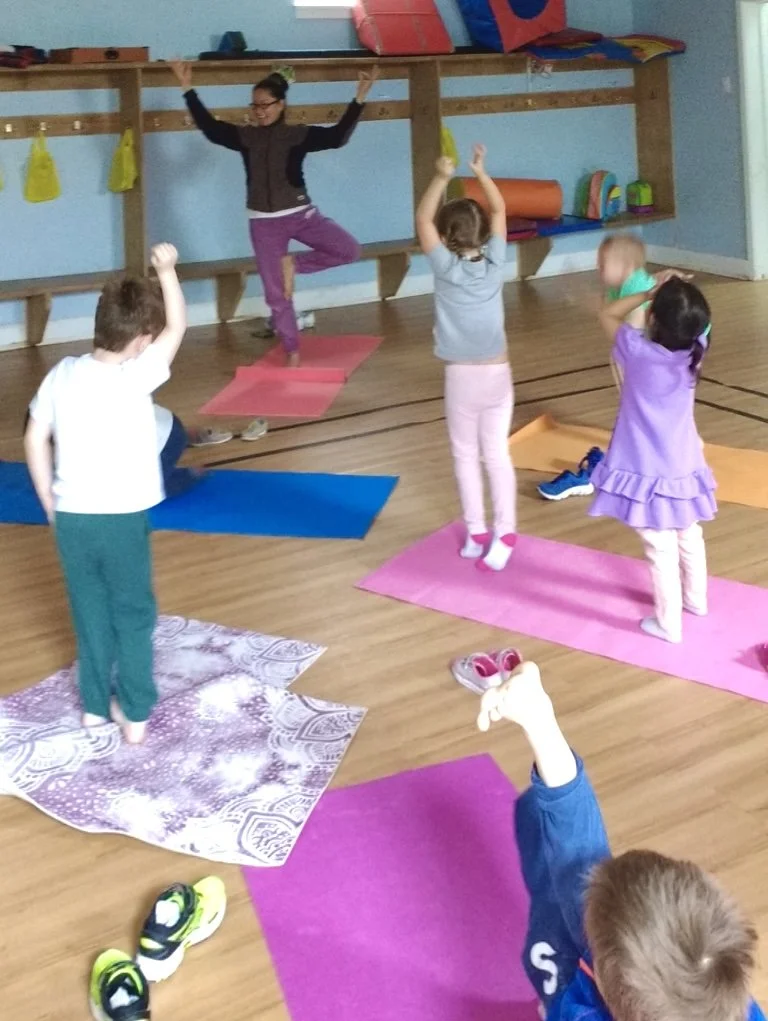
Introducing yoga to pre-schoolers in North Toronto
Keep Ojas High: Simple Practices
Seasonal transitions can be challenging for the body. Incorporate one or more of these SVA-inspired practices to keep your ojas strong, and notice in a few weeks how you’re feeling.
⭕️ Keep your channels open
Unclogging the body’s physical channels (shrotas) and energy channels (nadis) prevents stagnation that can lead to constipation, bloating, fatigue, joint pain, or low mood. Reducing or eliminating processed, heavy, and hard to digest foods- such as processed meat, red meat, pork, hard aged cheeses, cold milk and heavy thick yogurt, incorporating regular physical activity and getting out for fresh air and sunshine are all supportive. Children, with their free-flowing channels, show us what vitality looks like!
♥️ Soothe your heart
Nourish your emotional center with calming rituals: a moonlit walk after dinner, a relaxing cup of tea, soothing music, meditation, or a warm bath with rose and lavender.
🔥 Cool your liver
Avoid bad habits that burden and stress the liver, such as drugs and alcohol, skipping & delaying meals and staying up too late.
🌎 Align with the cycles of nature
Living in harmony with nature by eating meals on time, waking at sunrise and sleeping by 10pm support your body’s natural circadian rhythm, helping balance your hormones, and preserve your energy, balance, and vitality.
🍲 Eat warm meals
Especially in cold, dry seasons, favour moist, grounding foods cooked with ghee or olive oil. Reduce overly dry, salty, or rough foods during fall and winter, overly hot & spicy in summer, and enjoy cleansing lighter foods in spring.
🧴Practice abhyanga (oil massage)
Massage warm oil into your skin to detoxify, hydrate, and calm the nervous system. Leave the oil on for 20 minutes before a warm bath or shower. Almond or grapeseed oils are balancing; sesame oil may be too heating for sensitive skin, and coconut oil is best saved for summer.
The Essence
Self-care is not indulgence- it is nourishment. Each mindful act, from food to rest to self-care rituals creates ojas, the essence of immunity, vitality, and radiant health.
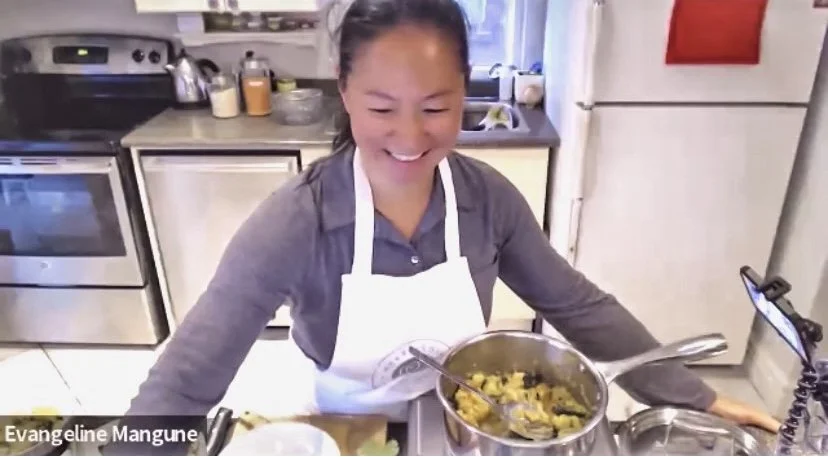
2024 Winter Cooking class webinar- part of the Ayurvedic Nutrition Course with live webinar cooking classes
References
Vaidya R. K. Mishra- Personal Notes from Shaka Vansiya Ayurveda Courses, Practicum, Conferences and Lectures 2003-2015
Marianne Teitelbaum- “Healing the Thyroid with Ayurveda”, 2019

Hi! I'm EvangelineWelcome to my blog. I’m a mom, an Ayurveda & Yoga Counsellor, Certified SVA Detox Educator, and Registered Massage Therapist. I began this blog during the early days of covid19 to stay connected with my clients. Here I share nourishing recipes I cook for family and friends, along with health tips and ayurveda and yoga wisdom to support balance, health, and vitality in everyday life.