ancient insights, modern clarity, lasting change
Holistic Health & Therapeutic Yoga

We are whole beings—body, mind, senses, and soul continuously influencing one another. Yet in daily life, different parts of us can feel scattered, overwhelmed, or out of sync. The work of healing is not about becoming someone new, but gently integrating these parts so we can realign, moment by moment, with our true nature: vibrant, joyful, content.
Physical and mental health are deeply interconnected- something modern research continues to confirm and something the ancient sciences of Yoga and Ayurveda have taught for thousands of years. These sister traditions guide us toward balance of the whole self: body, mind, senses, and emotions, and help us restore that balance through practices through many of which is now backed by science, such as healthy eating, mindfulness meditation, mindful breathing practices, yoga, somatic therapies, creative art, and guided imagery.
At Heart Lotus Health, ancient wisdom is woven into a modern holistic approach through therapeutic sessions and bodywork to support every aspect of your wellbeing. Each offering meets you where you are, helping you cultivate emotional clarity and a resilient body, build sustainable habits, and create meaningful, lasting change.


evidence-based practices rooted in yoga & ayurveda
Holistic Health & Therapeutic Yoga Services
Holistic Health Counselling
“Health is a state of complete harmony of the body, mind and spirit. — B. K. S. Iyengar
Personalized sessions designed to restore body-mind balance, reduce tension, and build sustainable health habits through evidence-informed practices. Sessions may include dietary guidance, herbal support, meditation, breath regulation, yoga therapy, guided somatic practices and creative arts.
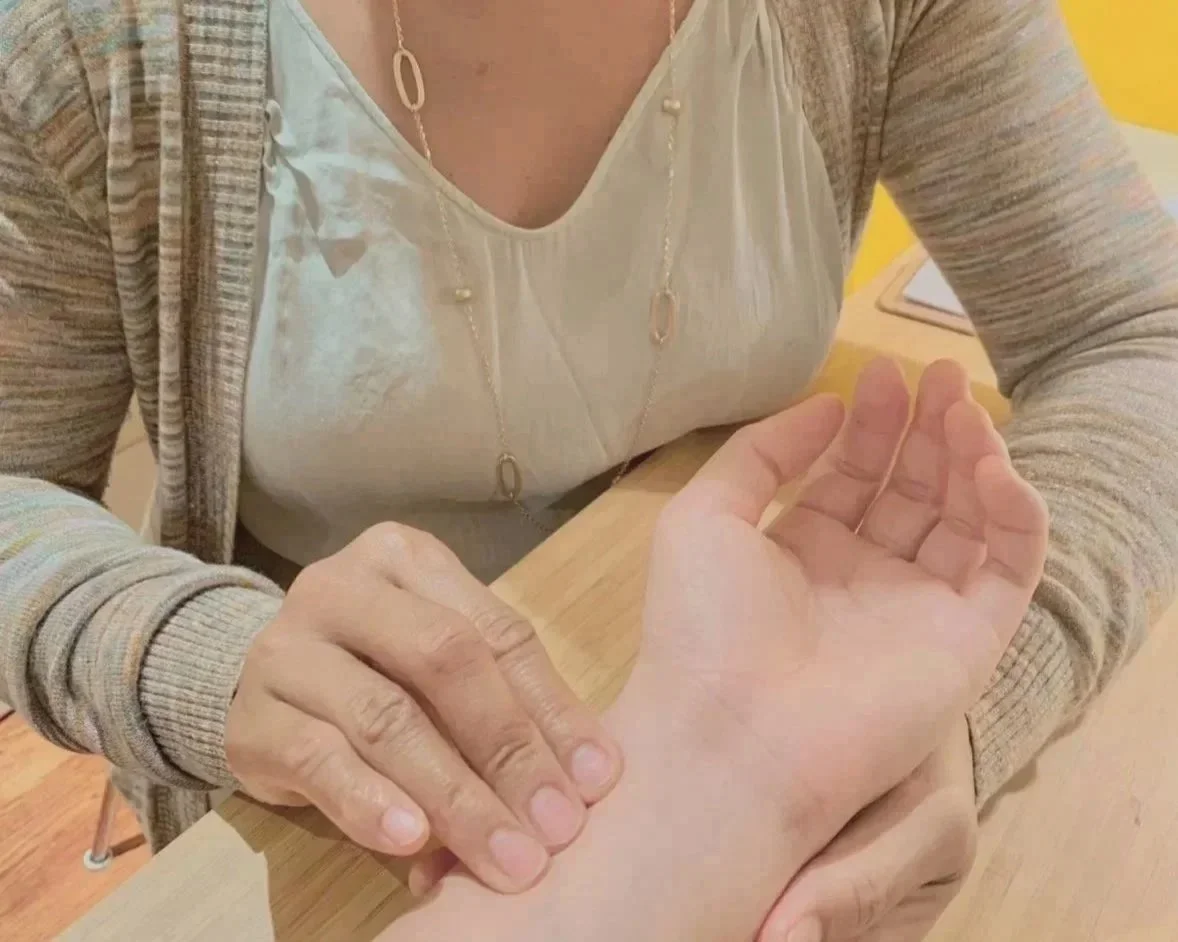
Your initial consultation (in person only) begins with a health history intake and an Ayurvedic pulse assessment to identify underlying patterns of imbalance. From there, a tailored therapeutic plan is developed to support nervous system regulation, reduce chronic tension, strengthen resilience, and promote long-term well-being.
Follow-up sessions (in person or online) provide continued guidance, refinement of recommendations, and support in integrating self-care routines at a pace that feels steady and sustainable. Coaching sessions available to help you set intentions, goals, and realistic action steps, at the same Follow-up cost.
1 hour Initial Consultation | $140
30 minute Follow-up | $100

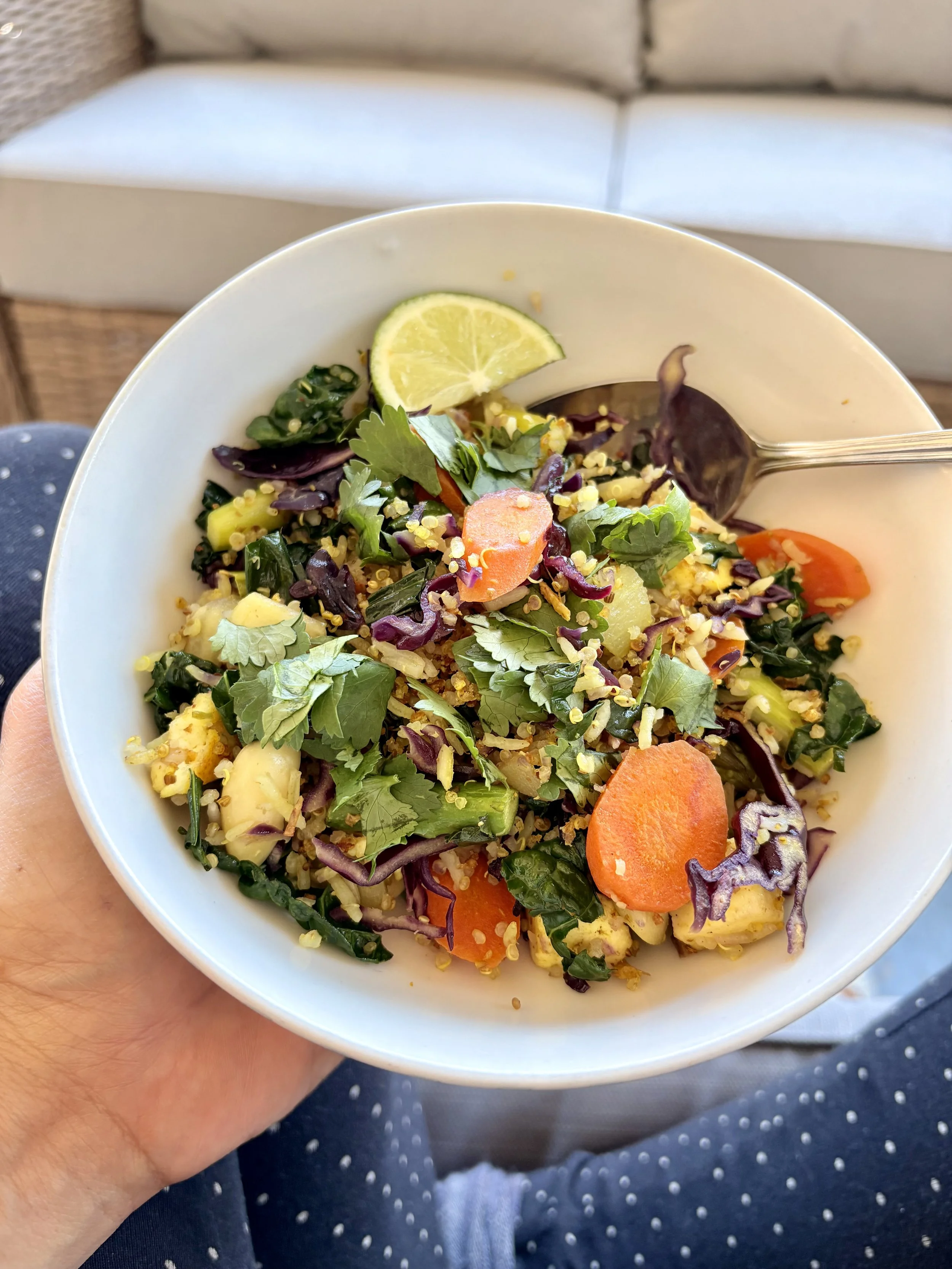
Holistic Nutrition Consultation
"Let food be thy medicine, and medicine be thy food." —Hippocrates
This one-on-one consultation begins with a comprehensive assessment of your health history, current diet, and daily habits, guided by the Ayurvedic principle of hetu—addressing the root causes of imbalance rather than only symptoms.
You will receive personalized dietary and lifestyle recommendations designed to restore digestive strength, support metabolic balance, and enhance overall vitality and well-being. Coaching sessions available to help you set intentions, goals, and realistic action steps, at the same Follow-up cost.
Available in person or online.
1 hour Initial Consultation | $140
30 minute Follow-up | $100

Signature Marma Therapy & Ayurvedic Oil Massage
Experience the therapeutic effects of this combined treatment, integrating traditional full body Ayurvedic oil massage (abhyanga) with Marma Therapy of spine, body or face.
Your session begins with an Ayurvedic pulse assessment to identify dosha imbalances for determining marma points and herbal creams specific to your needs. This is followed by transdermal marma therapy with application of herbal creams, and a full body warm oil massage.
Marma refers to vital energy points on the body that connect the nadis (subtle energy channels), chakras (energy centers), and the organs and physiological systems. Gentle stimulation of these points supports circulation, nervous system regulation, and overall energetic balance.
This is one of the most sought-after treatments I offer.
90 minutes | $180 - Ayurvedic Oil Massage & Marma Therapy
60 minutes | $140 - Marma Therapy only
Ayurvedic Head Massage
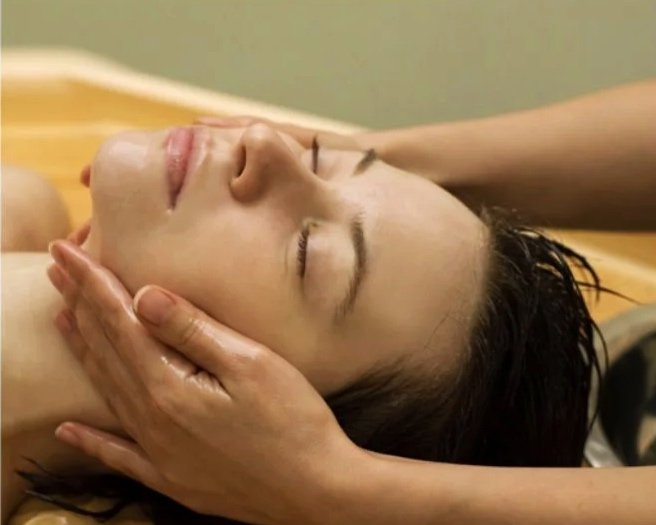
This focused treatment addresses areas most prone to holding tension- the scalp, face, jaw, neck, and shoulders. Using traditional Ayurvedic techniques with warm oil, the massage relieves muscular tightness, eases jaw and facial tension, and supports circulation to the head and neck.
Particularly beneficial for stress, mental fatigue, headaches, and disrupted sleep, this treatment helps regulate the nervous system and quiet an overactive mind. By calming the sensory organs and releasing accumulated tension in the head and neck, it promotes deep relaxation and a clearer, more grounded state of awareness.
Although localized to the upper body, Ayurvedic head massage has a systemic effect, supporting energetic balance and overall well-being.
30 minutes | $100
SVA Samadhi Marma and Eye Treatment
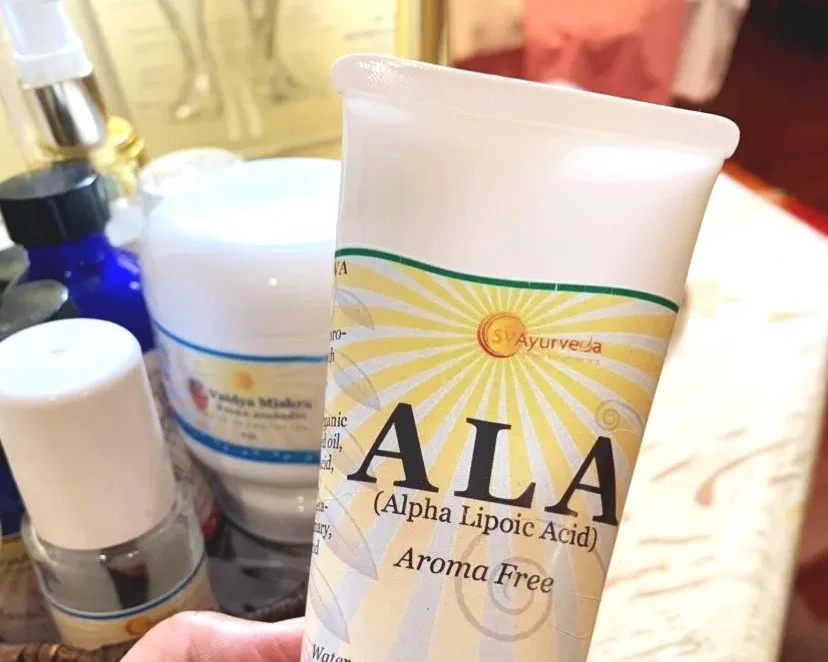
Designed for the demands of screen-based living, this focused treatment addresses eye strain, facial tension, and mental fatigue. Rooted in the SVAyuveda lineage, Ayurvedic *herbal creams are applied to specific marma points of the eyes, face, and head.
Gentle marma stimulation helps regulate the nervous system, improve circulation to the ocular and cranial regions, and reduce overstimulation from prolonged digital exposure. Clients commonly report relief from heavy, tired eyes, improved mental clarity, and a deeply relaxed state—often described as “more relaxing than massage.”
Marma points are vital energy sites that connect the nadis (subtle channels), chakras (energy centers), and the body’s organs and systems.
30 minutes | $100
Signature Somatic Treatment with Marma
This deeply therapeutic session begins with an Ayurvedic pulse assessment to identify dosha imbalances, followed by somatic techniques and marma therapy to release accumulated stress, unwind chronic tension, and regulate the nervous system.
Somatic work gently supports awareness of held patterns in the body, allowing protective tension to soften and stored stress to resolve. Marma therapy complements this process through the subtle stimulation of vital energy points. During treatment, specific marmas are lightly touched to enhance the reception, flow, and distribution of prana throughout the body.
Together, these approaches support improved circulation, nervous system balance, emotional integration, and a renewed sense of grounded vitality.
Ayurvedic herbal creams are applied on selected marma points to further support therapeutic effect.
60 minutes | $140
30 minutes | $100
Abhyanga - Warm Oil Massage
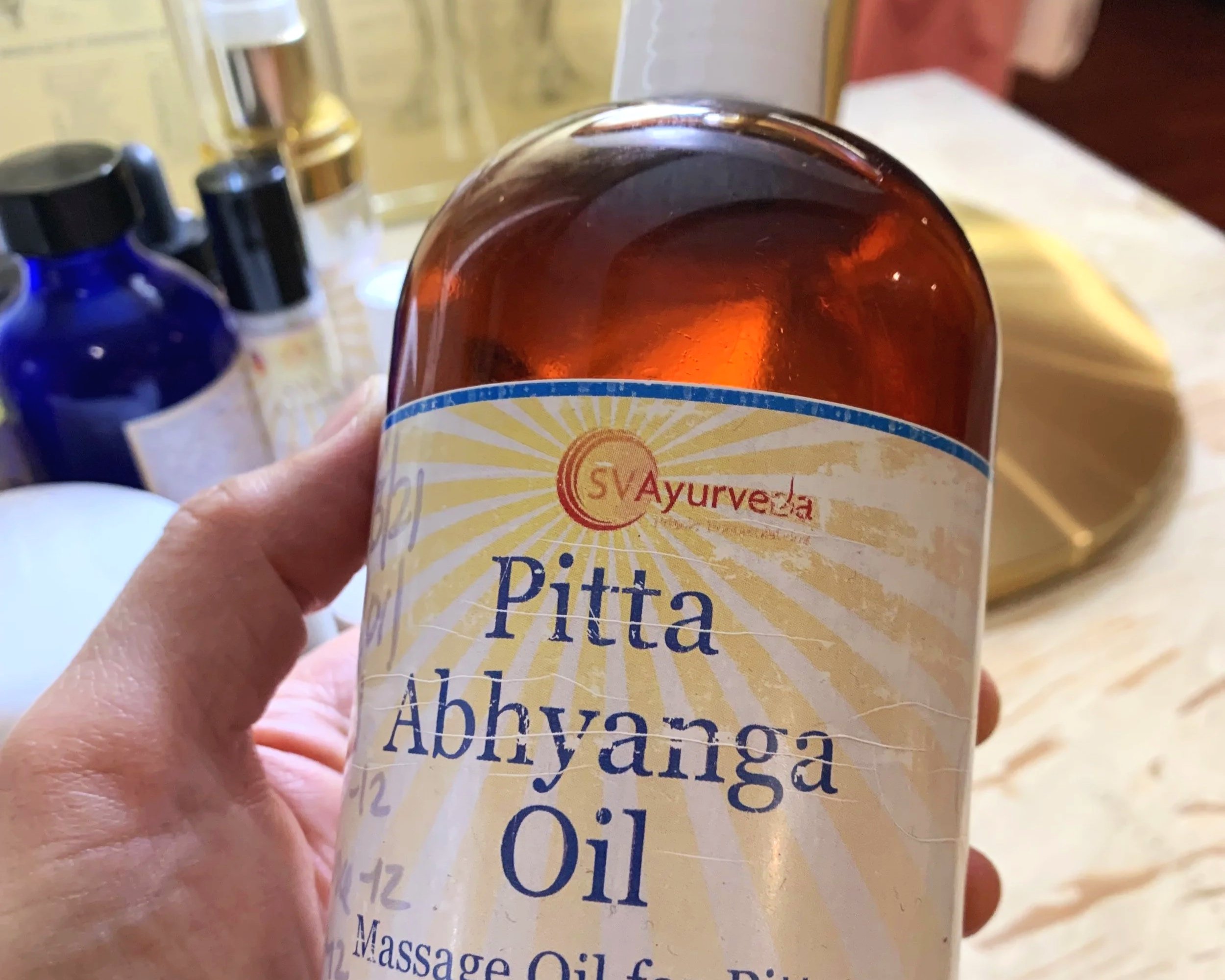
Your session begins with an Ayurvedic pulse assessment to identify dosha imbalances, followed by a full-body massage using warm, herb-infused oils selected to support your constitution.
Abhyanga is traditionally used to stimulate the lymphatic and circulatory systems, support detoxification through the body’s natural elimination pathways, and promote healthy skin. The rhythmic application of warm oil promotes relaxation- reducing sympathetic nervous system activity, encouraging parasympathetic regulation.
This treatment eases muscle stiffness, supports joint mobility, calms the mind, and leaves the body feeling nourished and rejuvenated.
1 hour | $140
Discover more about the herbal creams used in all transdermal marma treatments offered.
“These treatments have been full of care, which I have found to be nurturing and rejuvenating. While in her care, Evangeline ensures that you feel the full physical and mental benefit of her professional attention. ”
movement is medicine
Yoga & Mindful Movement
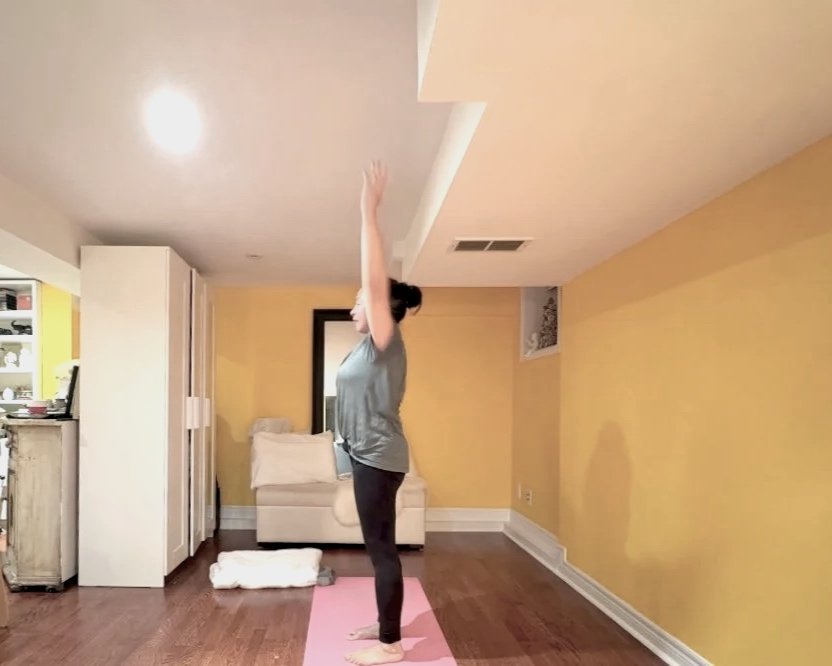
Therapeutic Yoga
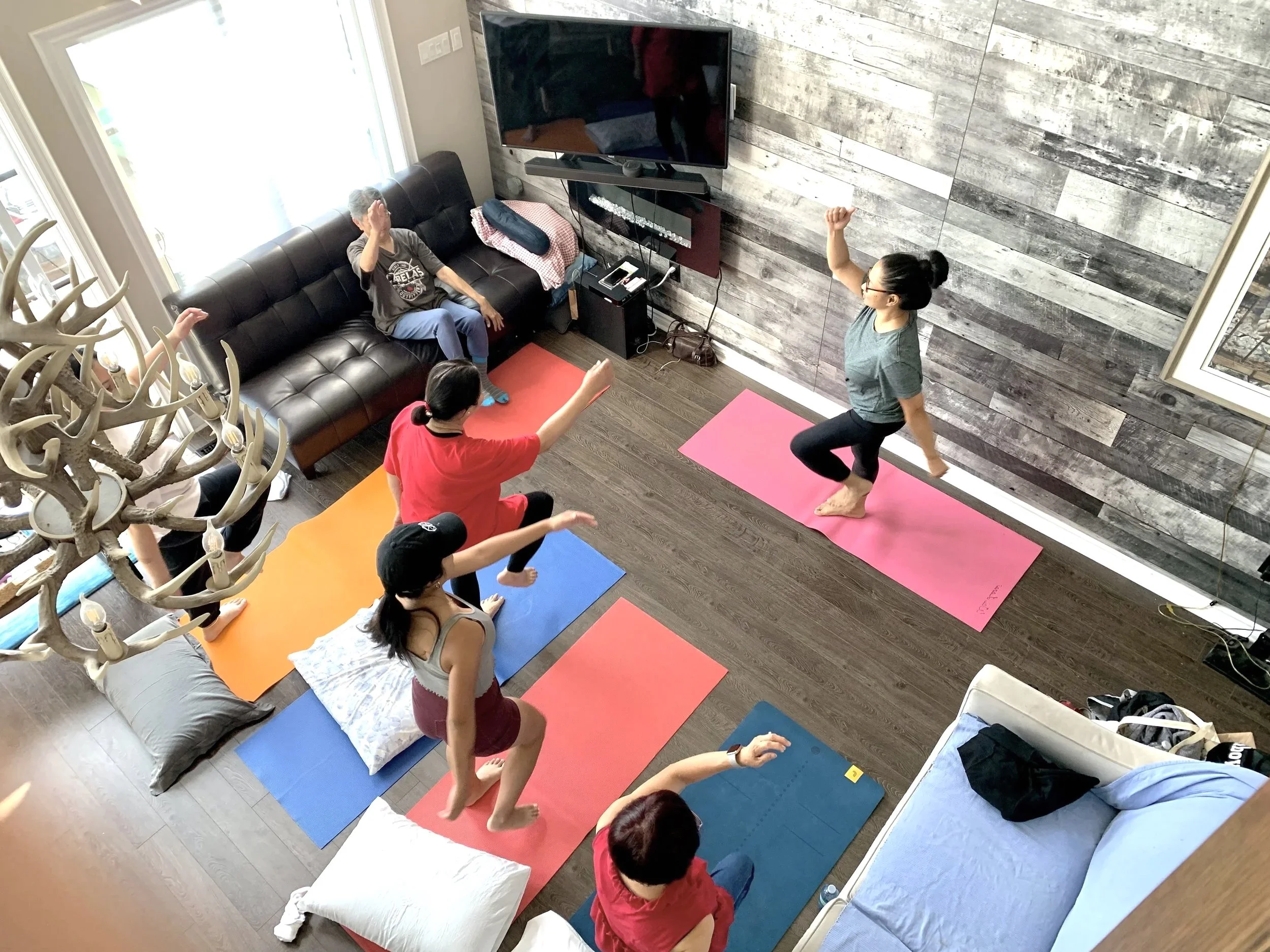
Individual sessions tailored to your needs. With mindful movement, breathing techniques and mindfulness based practices, including trauma-informed yoga, these sessions offer an opportunity to address not only physical health, but offer mental calm and stability.
1 hour | $140
30 minutes | $100

“Like a flower bud, human life has the potential to blossom fully. Blossoming of human potential to fullness is yoga.”

Pause. Breathe. Renew your body, mind and spirit.
Pause. Breathe. Renew your body, mind and spirit.
“I am loving the virtual Yoga classes with Evangeline and look forward to Wednesday as my weekly routine. I have never taken yoga classes before and I am finding it is benefitting me, in mind, body and spirit.”
Could Ayurveda & Yoga help you achieve better health?
Body-mind medicine has its foundations in Ayurveda and Yoga, two of the world’s oldest documented systems of health. Ayurveda means the knowledge or science of life- ayu means life, ved means knowledge, and yoga means union. Both are based on the principle that physiological and psychological balance is maintained through alignment with nature and its rhythms and individualized lifestyle practices.
Ayurveda emphasizes preventive care through nutrition, botanical support, circadian routine, and digestive health. Yoga complements this framework with therapeutic movement, breathing practices, and meditation practices shown to support nervous system regulation, stress reduction, improved sleep, and emotional resilience.
Yoga extends beyond physical postures. In a therapeutic context, it offers structured tools to modulate the stress response, enhance vagal tone, reduce anxiety, and support integration between body and mind. Together, Yoga and Ayurveda provide a comprehensive, evidence-informed approach to restoring balance, health and supporting long-term vitality.
For over twenty years I have integrated diet, yoga, breathing practices, meditation, bodywork, and mindfulness practices into my Massage Therapy practice offering a holistic approach to chronic pain, stress, and anxiety, methods that modern science now support for whole-body healing and nervous system regulation.
Let's explore how Ayurveda and Yoga can help you achieve your health goals during a complimentary 15-minute Discovery Call.
Heart Lotus Health • Lawrence & Yonge, Toronto